The Short Answer
Clogged dryer vents are responsible for approximately 15,970 house fires per year in the United States, according to the U.S. Fire Administration (USFA). Lint and debris trapped in the vent restrict airflow, causing the dryer to overheat and ignite the buildup. The single most effective prevention step is having your dryer vent professionally cleaned once a year — or more often if you use your dryer daily or have a long or flexible vent run.
The Statistics Behind Dryer Fires
The numbers from the USFA and FEMA are sobering:
- ~16,000 fires per year are caused by clothes dryers
- 31% of those fires are attributed directly to failure to clean the dryer or vent
- Dryer fires cause an estimated $238 million in property damage annually
- The peak months are January and February when laundry loads spike
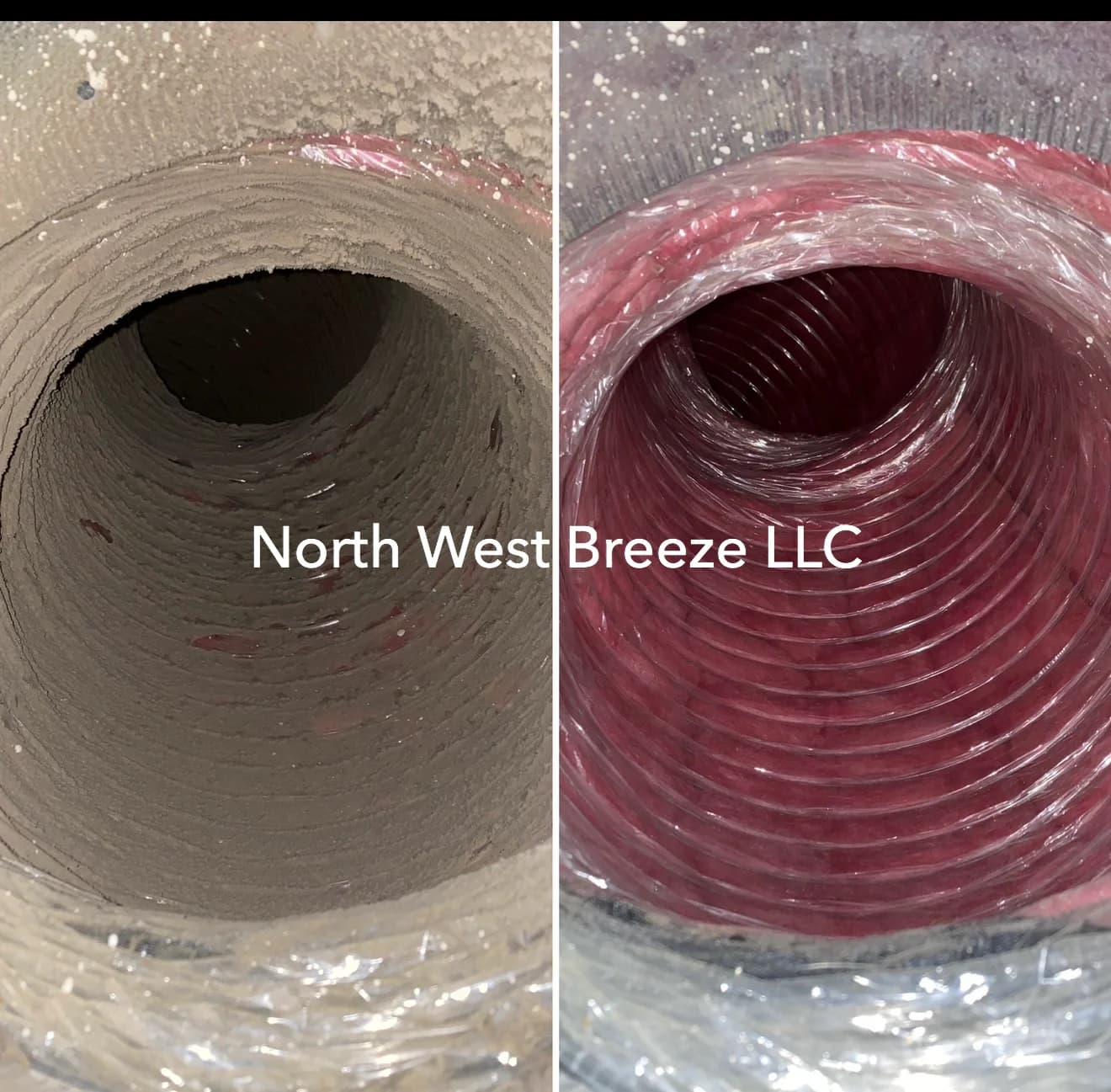
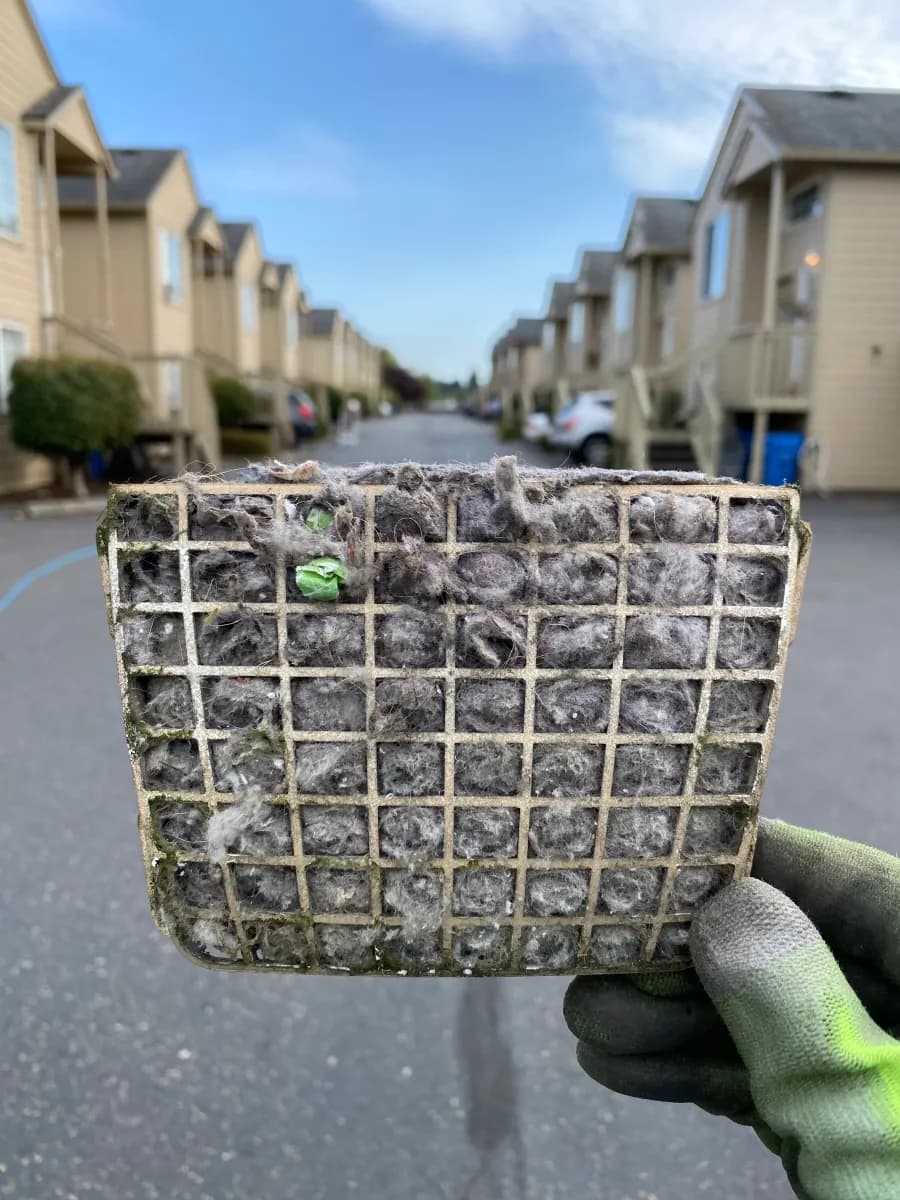
Most homeowners are unaware that the lint filter inside the dryer door catches only a fraction of lint produced per cycle. The rest passes into the vent duct and gradually coats the walls of the pipe — a slow-burning fuel source that runs from your laundry room to the outside of your home.
Why Lint Is So Dangerous
Lint is extremely combustible. It consists of fine cotton, polyester, and synthetic fibers — essentially tinder. When airflow is restricted by lint buildup, the dryer has to work harder and runs hotter. Heat accumulates in the drum and duct. A single spark from the motor or heating element is enough to ignite the material lining the duct wall. Because the fire starts inside the wall cavity, it often spreads to framing lumber before smoke detectors trigger.
Warning Signs Your Dryer Vent Needs Cleaning
Watch for these indicators:
- Clothes take more than one cycle to dry fully
- The dryer surface feels hot to the touch after a cycle
- A burning smell comes from the laundry room while the dryer runs
- The vent flap outside barely opens or doesn't open during operation
- Excessive lint around the dryer door gasket or on top of the machine
- It has been more than 12 months since the vent was last cleaned
The Risk Multipliers: Flexible Ducts and Long Runs
The type and length of your vent duct significantly affects fire risk. Flexible foil accordion-style ducts (commonly sold at hardware stores) have ribbed walls that snag lint at every ridge. Rigid metal ducts are far safer — lint slides off the smooth inner walls much more easily. If your vent run is longer than 25 feet, or makes multiple 90-degree turns, airflow restriction is much more likely, and annual cleaning becomes non-negotiable.
How Professional Vent Cleaning Works
A professional dryer vent cleaning service uses high-powered rotary brushes and HEPA-filtered vacuums to remove lint from the entire duct length, from the back of the machine to the exterior termination. The technician also inspects the termination cap for bird nests, crushed duct sections, and improper connections that are missed by DIY methods. At North West Breeze, every dryer vent service includes a full visual inspection and a report of any conditions that increase fire risk.
How Often Should You Clean Your Dryer Vent?
- Single household (average use): once per year
- Family of four or more with daily laundry: every 6 months
- Pet owners (pet hair in laundry): every 6 months
- Long duct run or flexible duct: every 6 months
- After any new appliance installation: immediately, to verify duct integrity
DIY vs. Professional Cleaning
Consumer brush kits sold online can clear the first few feet of the duct, but they rarely reach the full length of the run and cannot access duct sections hidden inside walls or under floors. Professional equipment can clean a 20–30 foot run in under an hour with full suction containment so debris doesn't scatter into your laundry room. Given that the alternative is a potential house fire, professional cleaning is a straightforward investment.
Schedule a Dryer Vent Cleaning in Portland or Vancouver
North West Breeze serves Portland, OR, Vancouver, WA, and the surrounding metro. Our technicians are trained to clean, inspect, and reroute dryer vents safely. Call (503) 935-7881 or request a quote online to book your annual dryer vent service.