Wildfire Season and Indoor Air in Portland
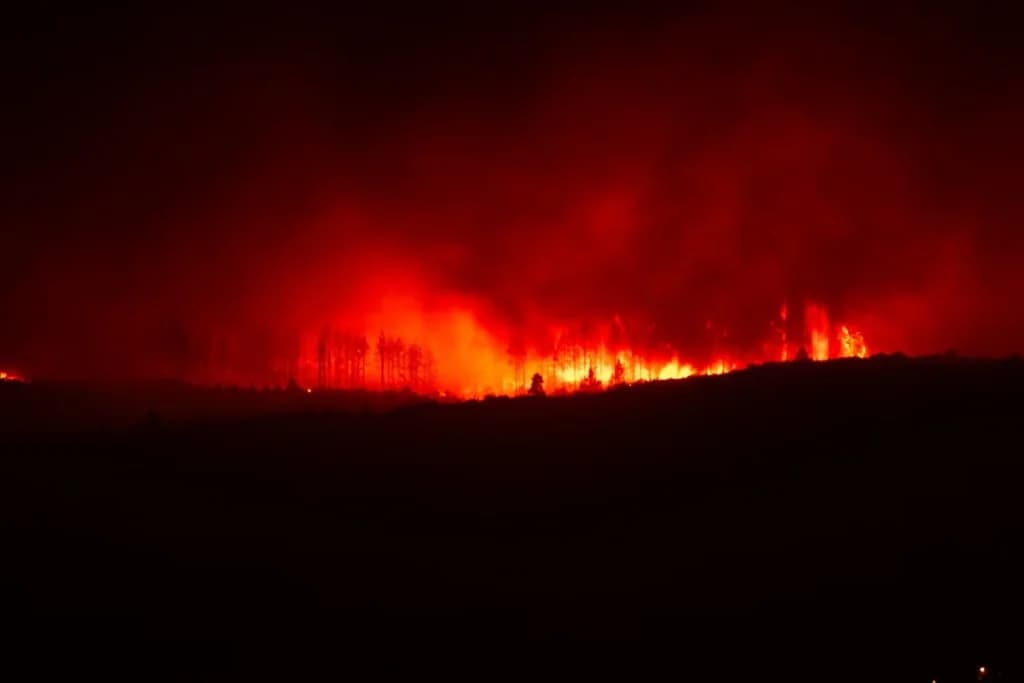
When wildfire season arrives in the Pacific Northwest, Portland homeowners often keep a close eye on air quality Portland reports, AirNow, and the latest fire map updates. Smoke from Oregon wildfires — and even regional events like Spokane fires — can travel long distances and affect the air we breathe at home.
For many families, the first warning sign is a smoky smell outside, hazy skies, or an alert during a heat advisory. But what many homeowners do not realize is this: wildfire smoke does not always stay outside. It can enter your home, circulate through your HVAC system, settle inside your ducts, and continue affecting indoor air long after the smoke outside begins to clear.
At North West Breeze in Portland, OR, we help homeowners understand how wildfire smoke impacts indoor air quality — and why professional air duct cleaning can be an important part of a cleaner, healthier home.
Wildfire Smoke Is More Than Just a Bad Smell
Wildfire smoke is a mixture of gases and very fine particles from burning trees, plants, buildings, and other materials. According to AirNow and the EPA, these tiny particles can irritate the eyes and respiratory system and are especially concerning for children, older adults, pregnant people, and anyone with asthma, COPD, heart disease, or other lung conditions.
The Oregon Health Authority also warns that wildfire smoke can worsen chronic heart and lung disease and cause symptoms such as coughing, wheezing, headaches, irritated eyes, chest discomfort, and trouble breathing.
The smallest smoke particles — often called PM2.5 — are especially concerning because they are small enough to travel deep into the lungs. That is why checking AirNow, the Oregon Smoke Blog fire and air quality map, and a current fire map during wildfire season is so important for Portland homeowners.
How Wildfire Smoke Gets Inside Your Home
Even when your windows and doors are closed, smoke can enter your home through small gaps, leaky seals, attic spaces, crawl spaces, ventilation openings, and HVAC fresh-air intakes. EPA guidance explains that smoke can enter homes through natural ventilation, mechanical ventilation, and infiltration.
During a smoke event, your heating and cooling system can either help protect your indoor air or spread smoke particles throughout your home. If your system is pulling in outside air, or if filters are dirty, poorly fitted, or not efficient enough, smoke particles can move through the system and into your living spaces.
This is why agencies like the EPA and AirNow recommend keeping windows and doors closed, closing fresh-air intakes when possible, using recirculate settings, and running HVAC systems with high-efficiency filters such as MERV-13 or the highest-rated filter your system can safely handle.
What Happens Inside Your Air Ducts?
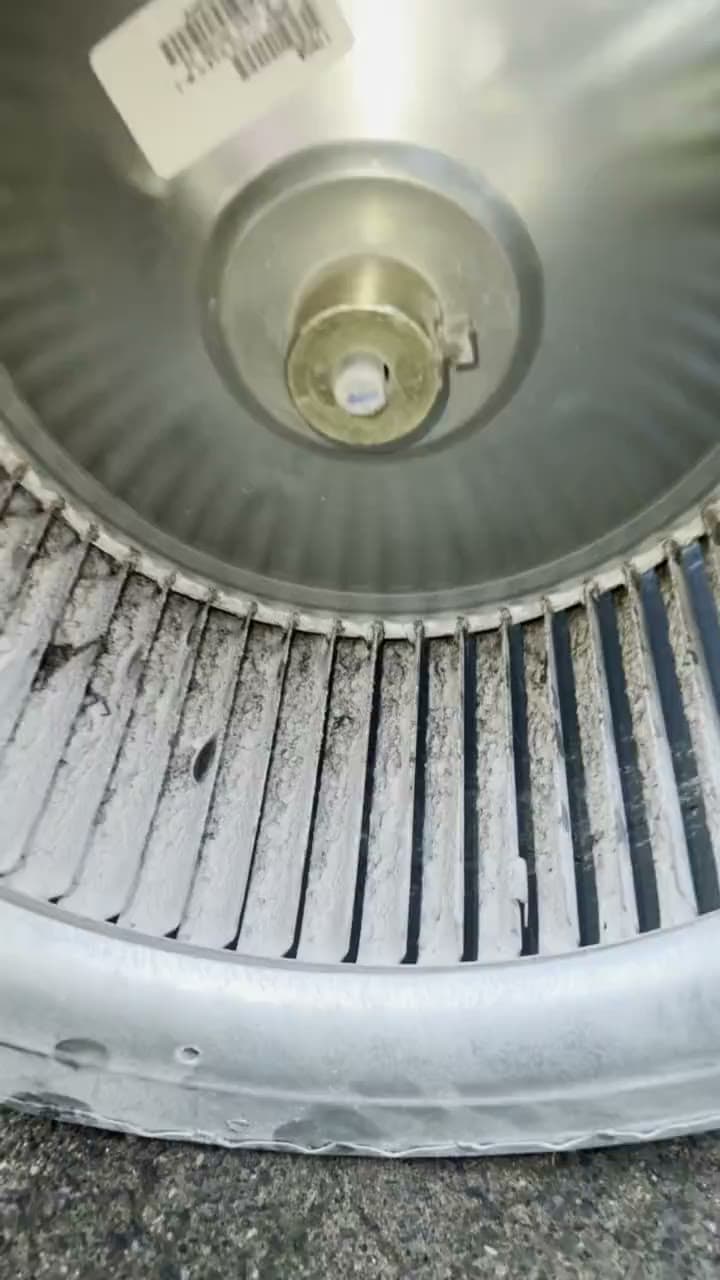
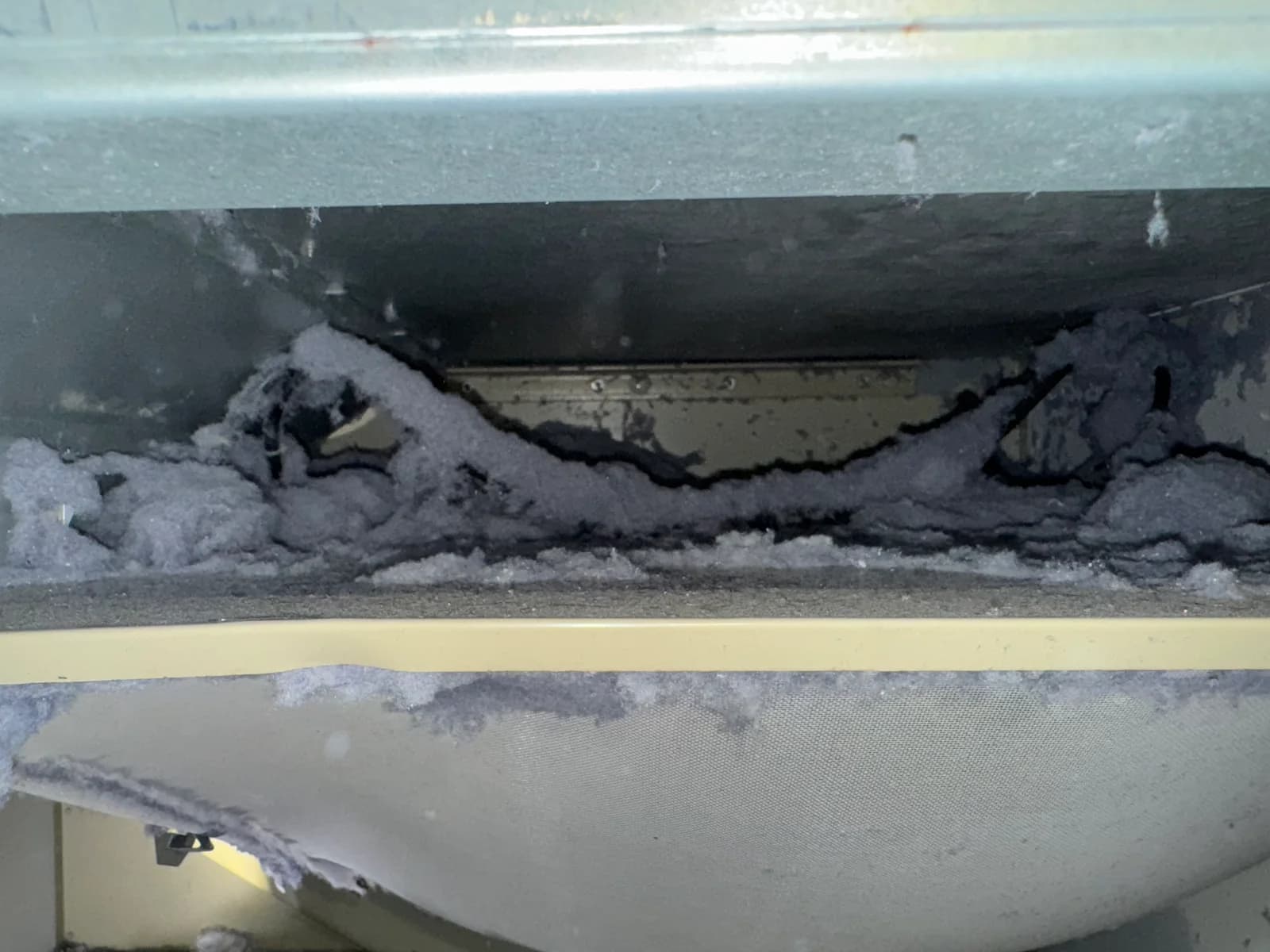
Your air ducts are the pathways that move heated and cooled air throughout your home. During wildfire season, those pathways may collect dust, ash, smoke particles, pollen, pet dander, and other debris. If ducts are already dirty, wildfire smoke can add another layer of fine particle buildup.
Over time, this buildup can affect how fresh your indoor air feels. When the HVAC system turns on, loose particles inside the ductwork may be pushed into rooms through supply vents. This can be especially noticeable after heavy smoke days, during wildfire season, or after long periods when your system has been running constantly to keep the house cool during a heat advisory.
The EPA notes that air ducts should be cleaned as needed — for example, when ducts are clogged with excessive dust and debris or when particles are being released into the home from supply registers. For Portland homeowners dealing with repeated wildfire smoke exposure, visible dust near vents, musty or smoky odors, or worsening allergy-like symptoms indoors, an inspection and professional duct cleaning may be worth considering.
Wildfire Smoke, Heat Advisories, and Indoor Air Quality
Portland wildfire smoke often overlaps with hot summer weather. That creates a difficult situation: you want to keep windows closed to block smoke, but your home can become uncomfortable or unsafe during a heat advisory.
AirNow recommends keeping indoor air both cool and clean during smoke events. If you have central air or a heat pump, use it in a way that recirculates indoor air and filters particles. Portable air cleaners can also help create a cleaner-air room where your family spends the most time.
If your home becomes too hot and you cannot safely cool it with windows closed, public health agencies recommend seeking a cleaner-air, air-conditioned space such as a public cooling center, library, community center, or another safe indoor location.
Why Duct Cleaning Is So Needed After Smoke Events
Professional duct cleaning is not a cure-all for wildfire smoke, and it does not replace good filtration. However, it can be an important part of restoring your home after smoke, ash, and fine particles have had time to settle inside the HVAC system.
Air duct cleaning is especially helpful when:
- You see dust or debris blowing from vents.
- There is a lingering smoky or stale odor when the HVAC system runs.
- You notice heavy dust buildup around registers.
- Your home has gone through multiple smoke events in one season.
- Your HVAC filter gets dirty faster than usual.
- Someone in the home has asthma, allergies, COPD, or other respiratory sensitivity.
- You recently checked air quality Portland reports and saw repeated unhealthy smoke conditions.
Clean ducts allow your HVAC system to circulate air through a cleaner pathway. When combined with properly fitted filters, good housekeeping, sealed leaks, and regular HVAC maintenance, duct cleaning can support better indoor air quality during Portland's wildfire season.
How to Protect Your Home During Oregon Wildfires
Here are practical steps Portland homeowners can take when wildfire smoke is in the forecast:
- Check AirNow and the AirNow Fire and Smoke Map for current smoke and AQI conditions.
- Use the Oregon Smoke Blog or Oregon DEQ resources to monitor Oregon wildfires and local air quality advisories.
- Keep windows and doors closed when smoke levels are high.
- Close HVAC fresh-air intakes if your system has them.
- Set your HVAC fan to circulate air through the filter when appropriate.
- Use a high-efficiency filter, such as MERV-13 or the highest rating your system can handle.
- Replace filters more often during smoke season.
- Avoid adding indoor pollution from candles, fireplaces, smoking, frying, or vacuuming without a HEPA filter.
- Create one cleaner-air room with a portable HEPA air cleaner if possible.
- Schedule a duct inspection or cleaning if you see debris, smell smoke, or suspect buildup inside the system.
North West Breeze Helps Portland Homes Breathe Easier
Wildfire smoke is now part of life in the Pacific Northwest. Whether the smoke comes from nearby Oregon wildfires, regional smoke drifting from Spokane fires, or changing wind patterns shown on a fire map, Portland homeowners need a plan to protect the air inside their homes.
North West Breeze provides professional air duct cleaning services in Portland, OR, to help remove built-up dust, debris, and smoke-related particles from your duct system. Cleaner ducts, better filtration, and smart wildfire-season habits can make a real difference in how your home feels and how your family breathes.
If your home still smells smoky, your vents are dusty, or your HVAC system has been working overtime during wildfire season, call (503) 935-7881 or request a quote to schedule air duct cleaning in Portland.